
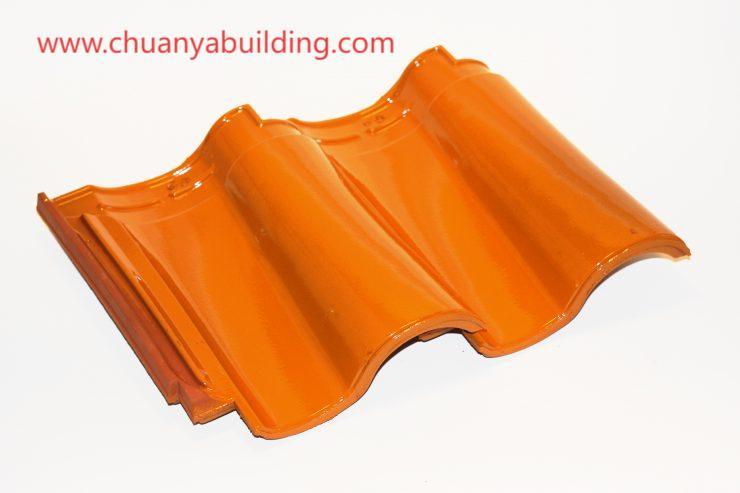
Traditional and modern architecture alike increasingly integrates Chinese Roof Tiles for their combination of durability, visual appeal, and environmental adaptability. Architects and construction professionals frequently consult chuanyabuilding to understand material selection, structural integration, and design strategies that ensure these tiles perform efficiently while maintaining aesthetic integrity. Can these roof tiles harmonize structural functionality and design elegance in diverse building projects?
Chinese roof tiles are crafted from materials that offer both resilience and longevity. Their composition allows them to endure harsh weather conditions, including heavy rain, wind, and temperature fluctuations, while providing stability over extended periods. Lightweight yet robust, these tiles reduce the overall load on roof frameworks, making them compatible with a range of building types from commercial complexes to residential developments.
Design versatility is another key advantage. The tiles can emulate classical patterns or adopt contemporary finishes, enabling architects to maintain cohesive visual themes while tailoring details to specific project requirements. Their surface texture and color durability ensure that aesthetic appeal persists even under prolonged exposure to sunlight and environmental factors. Additionally, the natural insulating properties of these tiles contribute to indoor thermal regulation, supporting energy-conscious design without compromising comfort.
Installation quality greatly influences the long-term performance of roof tiles. Precise alignment, secure fastening, and effective overlap minimize the risk of water infiltration or structural compromise. Collaboration between engineers and construction teams ensures that roof tiles integrate seamlessly with supporting frameworks and drainage systems, achieving both functional reliability and visual uniformity. Attention to these technical details reduces the need for frequent maintenance and enhances the roof's lifespan.
Routine maintenance further preserves the roof's performance. Periodic inspections help identify minor cracks, displacement, or surface wear before they escalate into significant issues. Cleaning the tiles to remove dust and debris maintains their visual appeal and optimizes their reflective qualities, allowing natural light to contribute effectively to interior illumination. These practices extend the functional life of the roof and protect the underlying structural components.
Environmental and sustainability considerations are increasingly relevant. Roof tiles that combine durability, low weight, and resistance to chemical or UV damage help reduce resource consumption and support long-term building resilience. Some products incorporate recycled materials, promoting circular construction practices while reducing environmental impact. This aligns with global trends toward sustainable design in both industrial and residential architecture.
The flexibility of Chinese roof tiles also allows integration with additional rooftop systems, including solar panels, ventilation units, or rainwater collection infrastructure. Their lightweight design and structural adaptability ensure that such integrations do not compromise roof integrity or overall aesthetics. This combination of practical performance, visual appeal, and environmental compatibility makes these tiles suitable for a wide variety of architectural applications.
For detailed specifications, design recommendations, and case studies of Chinese roof tile applications, industry professionals can visit https://www.chuanyabuilding.com/news/industry-news/what-is-chinese-roof-tiles.html to access comprehensive resources for planning, installation, and maintenance.

 English
 Español
 Portuguese
 Italiano