
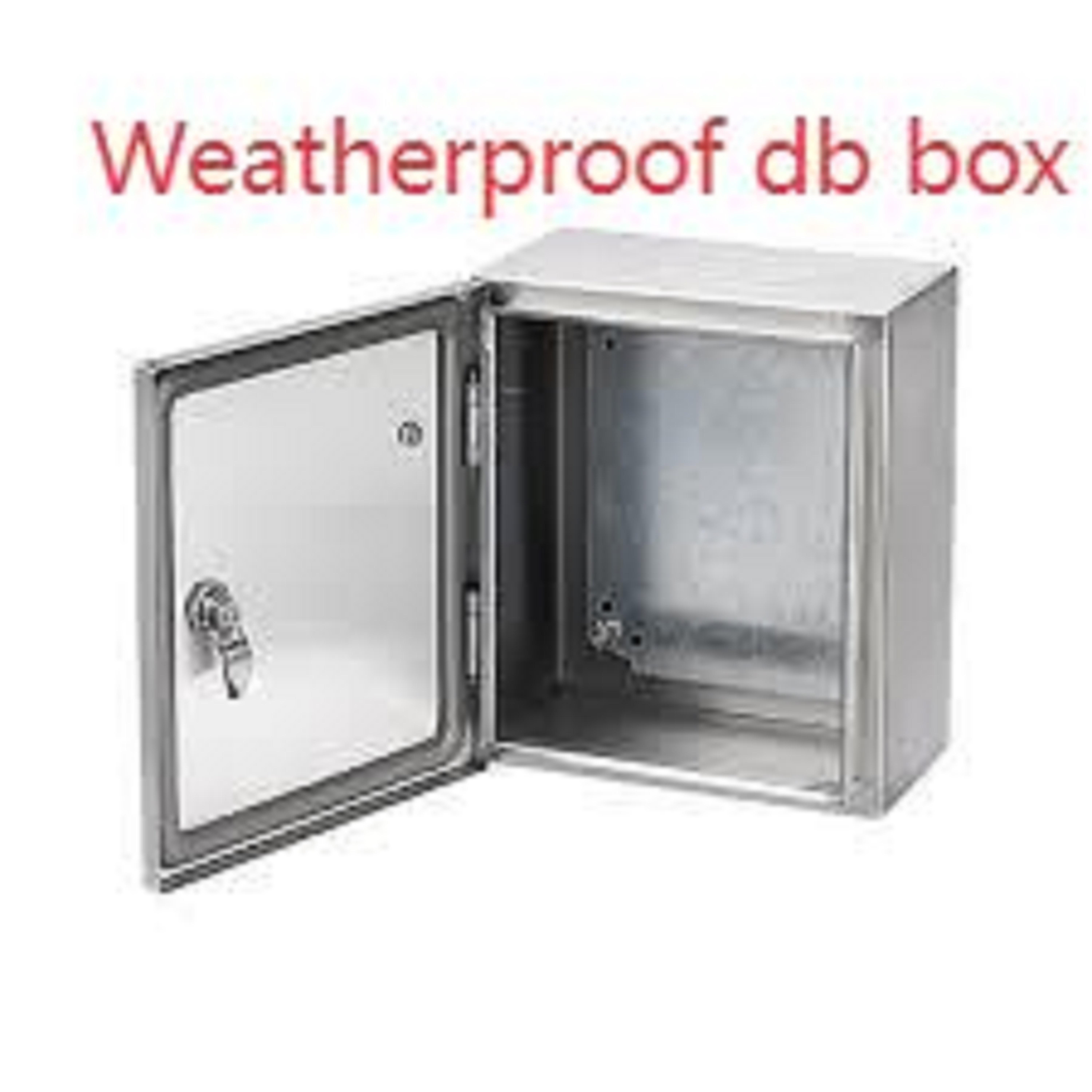
Selecting the right Weatherproof db box early in a project prevents costly retrofits and protects systems from moisture-related failures, and a well-specified Weatherproof db box also reduces unplanned downtime by preserving component integrity under harsh conditions. Nante combines tested materials and installer-friendly features to produce enclosures that balance durability, serviceability, and long service life for a wide range of applications.
1. Start with a Thorough Site Assessment
A successful specification begins at the site. Document exposures such as salt spray, frequent wash-downs, airborne particulates, direct sunlight, vibration, and the likelihood of physical impact. Each exposure shifts priorities: coastal locations demand superior corrosion resistance, wash-down zones require higher ingress protection, and areas with vehicle traffic need impact-resistant mounting and bollard protection. Mapping probable cable routes and future expansion points also prevents undersized enclosures and costly drilling modifications later.
2. Materials, Coatings and Corrosion Strategy
The long-term resilience of an installation is rooted in material choice. Metal shells (stainless grades or powder-coated aluminum) and high-performance polymers each have trade-offs in weight, cost, and resistance to chlorides or solvents. Equally important are finishes: high-quality powder coatings, epoxy primers, or specialized anti-corrosion treatments dramatically extend service life in aggressive atmospheres. Wherever possible specify captive stainless fasteners and sacrificial anodes or coatings on interfaces that see repeated mechanical wear.
3. Sealing, Glands and Ingress Protection Best Practices
True protection is delivered by robust sealing systems and properly selected cable glands. Continuous molded gaskets maintain compression and sealing force far better than improvised tapes. Gland selection must match conductor insulation and armor type; poorly sized glands are a leading cause of water ingress after commissioning. Where retrofit wiring is likely, prefer factory supplied gland plates and approved accessory kits to preserve rating. Require vendors to provide third-party IP/NEMA test data tied to typical field configurations rather than idealized lab setups.
4. Thermal Management and Internal Layout
Heat shortens component life. Even enclosures with modest internal dissipation can develop hotspots if layout and airflow are neglected. Passive strategies—separating heat-generating devices from controls, using conductive mounting plates, and allowing convection paths—often suffice for low loads. For higher dissipation, consider filtered fans, thermostatic ventilation, or compact air-to-air exchangers that maintain enclosure ratings. Conductor sizing, terminal torque procedures, and tidy cable routing all reduce resistive heat and improve reliability.
5. Installer-Focused Details That Prevent Failures
Design features that speed installation and reduce mistakes pay for themselves. Look for removable gland plates, pre-punched mounting templates, captive hinges, and tool-free latches so technicians can access internals without compromising seals. Clear internal labeling, DIN-rail systems, and snap-in mounting plates speed up commissioning and minimize ad-hoc modifications. Suppliers that provide CAD files, cut-sheets, and checklists help field teams avoid common errors that degrade long-term protection.
6. Test, Inspect and Maintain — The Lifecycle Plan
Longevity depends on predictable inspection and spares planning. Require baseline factory test reports and define an inspection cadence: verify gasket compression, retorque external fasteners, and inspect for moisture trails at terminations after severe weather. Maintain a local kit of replacement gaskets, standard fasteners, and common gland inserts so repairs are rapid. Record as-built penetrations and accessory choices in the asset file so future technicians understand what preserves rated protection.
7. Procurement, Standardization and Total Cost of Ownership
Initial price is only part of the picture. Compare suppliers on responsiveness, spare-part availability, warranty terms, and documentation quality. Standardizing on a family of enclosures across a program simplifies stocking and reduces lead times for emergency replacements. Modular accessory ecosystems—blanking plates, surge modules, climate control options—allow incremental upgrades and lower lifecycle cost compared with one-off enclosures that require bespoke parts for every change.
8. Human Factors, Safety and Practical Placement
Place enclosures at ergonomic heights and visible locations to enable quick visual checks. Protect units in high-traffic zones with bollards or recessed mounting and use tamper-resistant hardware in public spaces. Provide clear external labeling and color-coded wiring schemes to reduce human error during maintenance. Where continuous operation is critical, design redundant feeds or bypass arrangements so servicing can proceed without disrupting essential loads.
Specifying enclosures with the right mix of materials, sealing, thermal design, and installer-friendly features turns a vulnerable junction box into a long-lived system component. Prioritize tested sealing systems, correct gland sizing, and a documented maintenance plan to achieve reliable field performance over many years. For product ranges, technical resources, and detailed specification guidance, visit www.nante.com

 English
 French
 Portuguese
 Italiano